
After being a course leader and lecturer in Horticulture at Nottingham Trent University for nearly 20 years I am now working on a new venture in Limousin, France. In our plant nursery and garden school we aim to carry on sharing our passion for horticulture and natural crafts.
Specialist subjects include plant science, propagation, plant identification, specialist traditional and modern pruning and maintenance techniques. We also teach greenwood crafts, weaving, stained glass art and other crafts using natural materials.
Organic Gardening for beginners
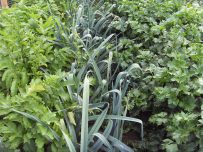 Learn the basics of organic gardening starting with the key principles of building soil fertility using natural methods and organic pest and disease control, basic practical techniques and tips on how to be successful and how to avoid key problems.
You will have the opportunity to test your own soil, get 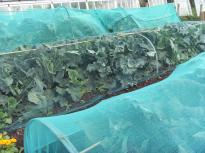 answers to your questions and see an organic system in practice as well as learning the basic theory. Plus you will have a choice of free heritage and heirloom bean seeds to take away and grow.
Thursday 10th May 10.00-3.00 40€ including light lunch and refreshments.
Use the button below to book your place on this course. If you have any questions please use the enquiry form at the bottom of the page.



 Greenwood crafts: Use a traditional pole lathe to turn a dibber or a string line. 10.00-4.00 either Thursday 8th March or Saturday 10th March. 35 Euros per person including materials and light lunch:
 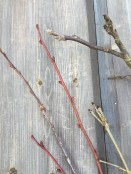 Introduction to Tree identification Learn the basics of plant identification and get to know some common trees in winter to enhance your enjoyment of your garden and the surrounding countryside. 17th March 20 €:
 April 10.00-4.00 55€ inc materials and light lunch: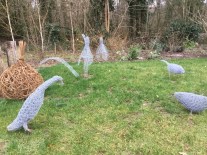
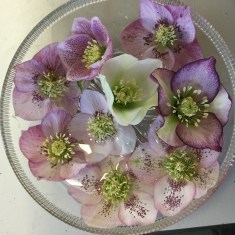
 italicum ‘Marmoratum’ and thrive in humus rich, neutral to alkaline soils in shade or semi shade. They do best in a moisture retentive soil but can cope with dryer soils as long as they are not in full sun.
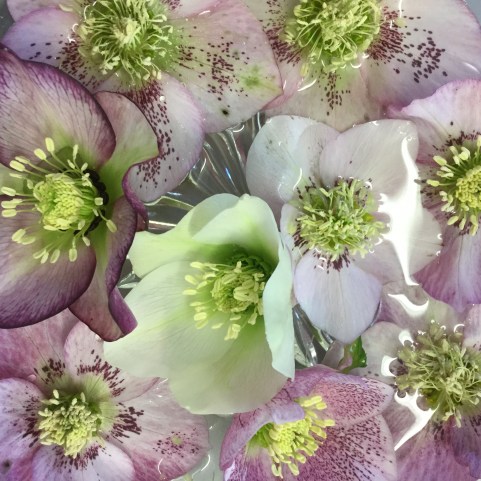 Hellebores do not make great cut flowers because the stems soon flop and the real beauty of the flowers is mainly hidden on the inside but you can snip off just the flowers and create a stunning floating display as a table centre piece which lasts longer than the cut stems.
 You will create your own lantern to take home with you (all materials for the willow lantern are included in the cost) Add your own battery powered or solar lights to create a unique and subtle outdoor light.


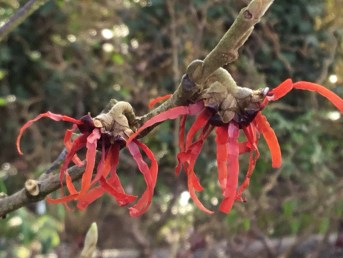 of flowers that promise the start of spring. Some of them like the beautiful witch hazel Hamamelis ‘Diane’ are highly scented and fill he air with spicy perfumes to attract any pollinating insects that might also have woken from hibernation early to make the most of a little winter sunshine. These winter flowering plants provide vital pollen and nectar for the overwintering insects that will be getting low on energy by now.
 Another shrub with a powerful fragrance is the winter honeysuckle Lonicera x fragrantissima one of the shrubby honeysuckles that bears pairs of fragrant flowers all along its arching stems from January through till April will be covered in bees on a sunny winters day. Spot the pollen sacks on the bee in the photograph taken 24/01/18
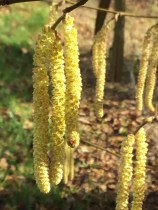 separate male and female floral structures. The male flowers are usually catkins, releasing pollen when they mature. At the moment the hazel trees are in full flower, their make catkins having elongated over the last week or so waving away in the hedgerows distributing their pollen in the wind. Harder to spot are the female flowers that look like miniature sea anemones emerging from small plump buds along the stems. Hazel trees need a period of mildly windy weather without too much rain for the pollen to spread effectively and be caught up on the sticky
 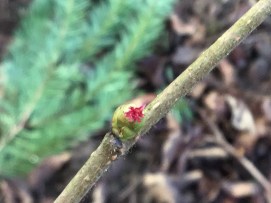 female floral parts. Unfortunately high winds and heavy rain at this time of the year can lead to a bad crop of nuts.
 Graft your own fruit tree: learn the skill of grafting and have a go at grafting your own apple tree to take home with you. Half day course either Thursday 1st February or Saturday 3rd February. 35 Euros per person (includes light refreshments and materials) see post:
  ebruary or Saturday 10th February. 25 Euros per person (includes all materials and light refreshments) See post for more details and booking:
  ourse either Thursday 22nd February or Saturday 24th Feb. 35 Euros per person (including light lunch and all materials). See post for more details and booking:
  Fruit tree pruning: learn the skill of pruning your fruit trees for best results, the course will cover the theory and practice of pruning and training young trees as well as renovating and caring for mature trees. Full day course either Thursday 1st March or Saturday 3rd March. 35 Euros per person including light lunch. See post for more details and booking:

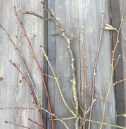 Winter tree identification: learn the basics of plant identification with an emphasis on identifying common trees in winter. Half day course on 17th March 20 euros per person. See post for more details and booking: See Post:
 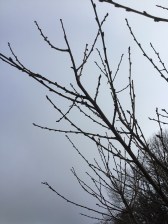 identification of common trees. On this course you will cover some basic botany and discover the secrets to identifying plants and deciduous trees during the winter when they have no leaves present. You will be able to put these skills into practice in your own garden and while out enjoying the countryside enabling you to engage with the natural flora of the region.
 Le Jardin Creatif