
Have you ever wondered why winter flowers are so highly scented? They are not producing all of those delightful essential oils and fragrances for our benefit, they are sending a powerful message out to any insects that have been woken out of hibernation by a spell of warm weather. Nature is very clever because the sunshine enhances the volatility of the essential oils and helps to release the fragrance which is why the scent is more powerful on a sunny day. The fragrance can be detected by insects from great distances and these winter flowering plants provide vital pollen and nectar for the 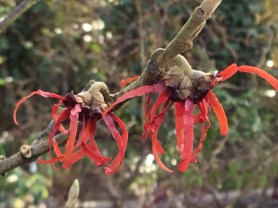 overwintering insects that will be getting low on energy by now.
The beautiful ‘witch hazel’ Hamamelis ‘Diane’ is highly scented and fills he air with spicy perfumes from late January, in fact this year it is a couple of weeks behind its flowering time last winter in spite of the milder winter that we are having.
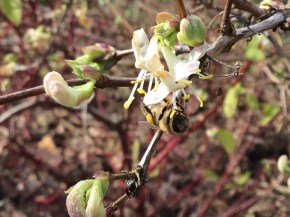 Another shrub with a powerful fragrance is the winter honeysuckle Lonicera x fragrantissima one of the shrubby honeysuckles that bears pairs of fragrant flowers all along its arching stems from January through till April will be covered in bees on a sunny winters day. Spot the pollen sacks on the bee in the photograph!
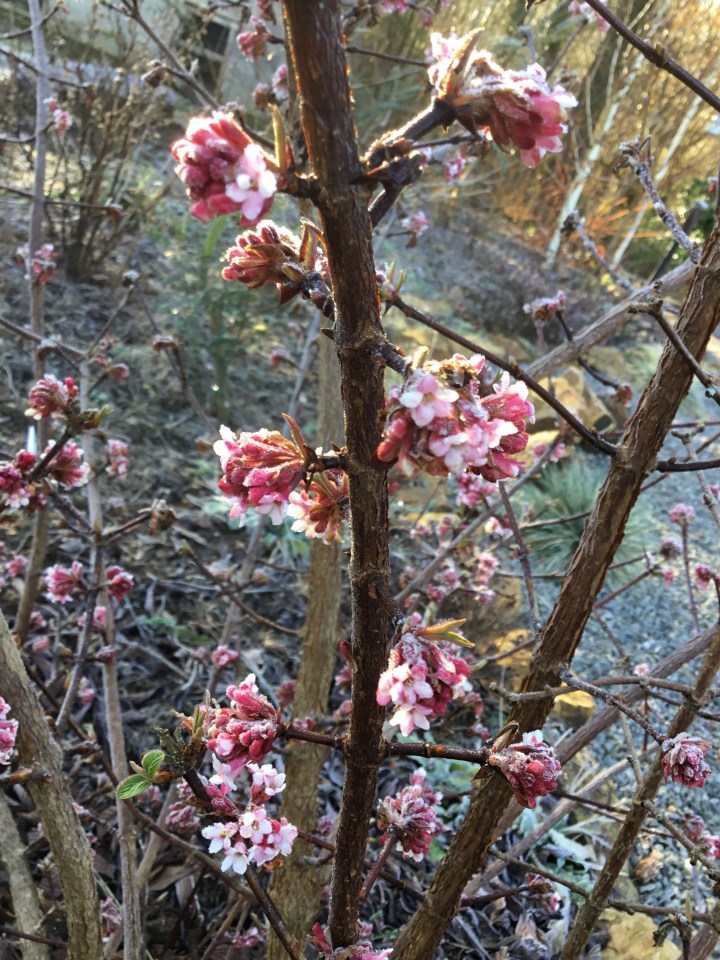
Also in flower this week Viburnum x bodnantense ‘Dawn’ and Sarcococca confusa both highly fragrant and make excellent cut stems, just a couple of sprigs in water will scent a whole room.


Not all trees and shrubs are insect pollinated. Some are wind pollinated and produce 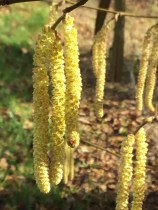 separate male and female floral structures. The male flowers are usually catkins, releasing pollen when they mature. At the moment the hazel trees are in full flower, their make catkins having elongated over the last week or so waving away in the hedgerows distributing their pollen in the wind. Harder to spot are the female flowers that look like miniature sea anemones emerging from small plump buds along the stems. Hazel trees need a period of mildly windy weather without too much rain for the pollen to spread effectively and be caught up on the sticky
 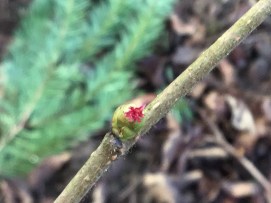 female floral parts. Unfortunately high winds and heavy rain at this time of the year can lead to a bad crop of nuts.
With the weather picking up this week in the Limousin why not take the opportunity to go outside and see what nature you can spot in your garden and hedgerows.
Learn more about the fascinating world of plants on our BASIC BOTANY course and our other horticultural topics including plant propagation for beginners, grafting, pruning and soil science check out all of our courses on our COURSES AND EVENTS page
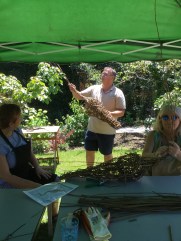 Learn to use willow as a medium for sculpture and create a life size heron sculpture for your garden or by your pond. All materials, light lunch and refreshments are included.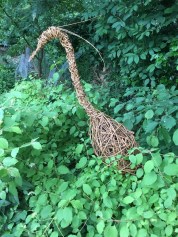


 This half-day course in plant propagation will look at the basics of propagating from seed and from softwood cuttings. You will learn a little botany that will help you to be more successful in rooting cuttings and understanding the different types of seeds, seed sowing tips and overcoming different types of dormancy in seeds.
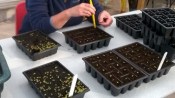 This half day introductory course is running on Thursday 2nd May 2-4pm 20€ per person
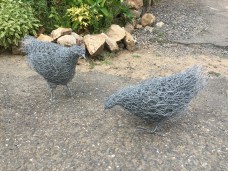 Learn the basics of sculpture using chicken wire to create a lifelike chicken sculpture for your garden. A good basic beginners course which can lead onto building on these skills to create more complex sculptures later in the year.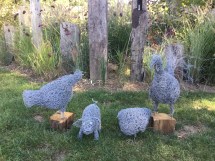


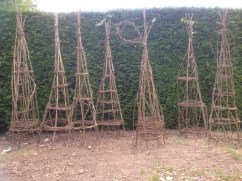 To book onto this workshop you can use the ‘Buy Now’ button below, this is a secure PayPal system but you do not need a PayPal account to use it as it also accepts card payments. If you prefer to pay be cheque use the contact form below to check availability and request a booking form.


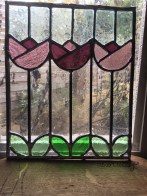 Learn the basic techniques involved in making leaded glass pieces and create a small decorative panel that you could use as a suncatcher or small window. **
