
This two part course will look at the theory behind the techniques used to prune a range of fruit trees for health and productivity as well as a demonstration of pruning both young and mature trees. We will also discuss renovation of neglected or badly pruned trees. There will be an option of an additional session visiting one of our student’s orchards to do a bespoke session if numbers are sufficient.
Part 1: How do plant hormones influence growth and how can we use our understanding of the processes to prune our trees for maximum health and best fruiting? A theory session looking at plant growth, pruning techniques and training of young trees. How to tackle a neglected tree and improve health. 2 hours (morning)
Part 2: Practical pruning demonstration and the opportunity to have a go. Advanced techniques covering espaliers and trained forms of tree. Question and answer session for your own pruning problems. 2 hours (afternoon)
The course will run from 10.00am – 2.30pm with a half hour lunch break. A light lunch will be provided. Please wear warm work clothes appropriate to the weather as there will be some outdoor activities. Cost of the course is 35 euros per person including lunch.
Courses running on Thursday 1st March and Saturday 3rd March. We will send you confirmation and further information once we have received your payment.
To book onto Thursday 1st March use the pay now button below:

To book onto Saturday 3rd March use the pay now button below:
If you have any questions about the course please use the enquiry form below:


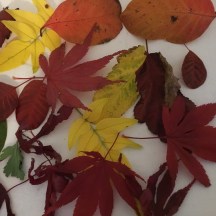 Have you ever wondered why the leaves on deciduous trees change colour in the autumn?
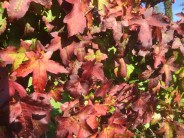 Chlorophyll reacts to certain wavelengths of light but these are limited, to make the most of the light spectrum plants also use other pigments similar to carotene that can react with a wider range of the spectrum. These colours are hidden by the intensity of the green chlorophyll in plants with green leaves. However, once the days start to shorten and the temperatures drop this triggers a process called abscission, in simple terms ‘leaf fall’. Plants need to be thrifty though, the main elements that make up chlorophyll are iron and magnesium but these can be in short supply within the soil when the trees come into leaf in the spring so the trees carefully extract these elements, drawing them back into the tree to store away ready for the first flush of growth in the spring. This is when the other pigments are revealed giving us the fantastic display of autumn colours.
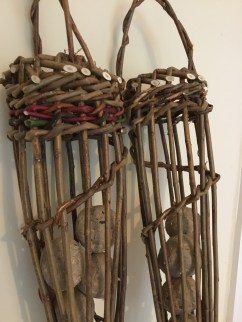 This half day course will teach you some basic weaving techniques through the creation of a hanging fatball bird feeder. These make great gifts and are an attractive garden feature.


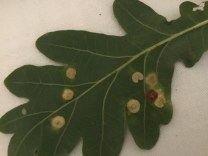 Oaks support many gall forming insects including the common ‘Oak Apple’ which is caused by another species of wasp. The smaller ‘spangle galls’ can be seen on the underside of the leaves are created by a tiny gall wasp larvae which falls to the ground within the gal in the autumn and continues to complete its lifecycle within the leaf litter on the ground.
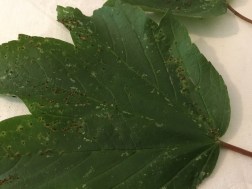 Sycamores also support a range of insect species including the spiky red ‘nail gall’ and many tiny species of gall mite.
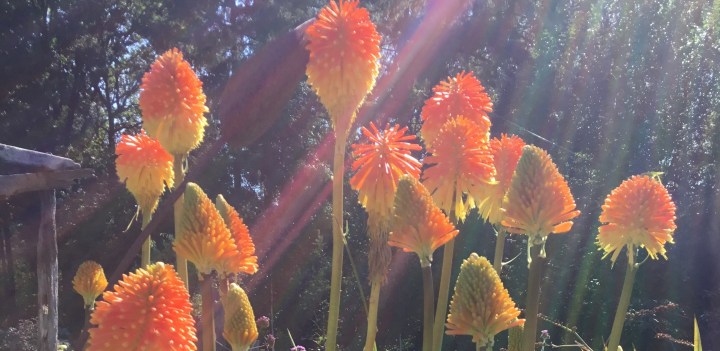
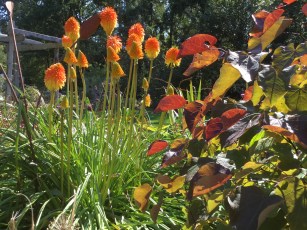 This stunning herbaceous perennials is a close relative of the well known ‘Red Hot Poker’ but this species flowers much later, in England it would normally flower from July into August but here in France it reliably flowers twice each year once in June/July and again during October. This particular plant has only been established for 3 years and had over 15 flower spikes on it in June, now in early October it is starting to produced a second flush of flowers with many more buds to come.
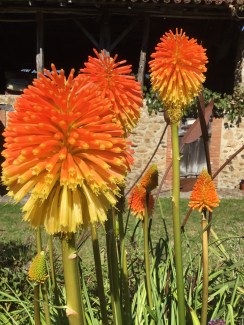 eutral to acid loam or sandy soil and makes a fantastic plant for late summer/early autumn colour in a large herbaceous border.


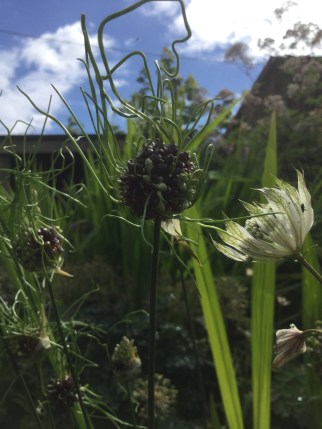 These alliums make superb contemporary cut flowers because they last well with no petals to fade, they are also excellent when planted in big groups within planting schemes of ornamental grasses, herbaceous perennials and other bulbs. They are a particularly good contrast with the lovely soft feathery grass Stipa tenuissima ‘Pony Tails’


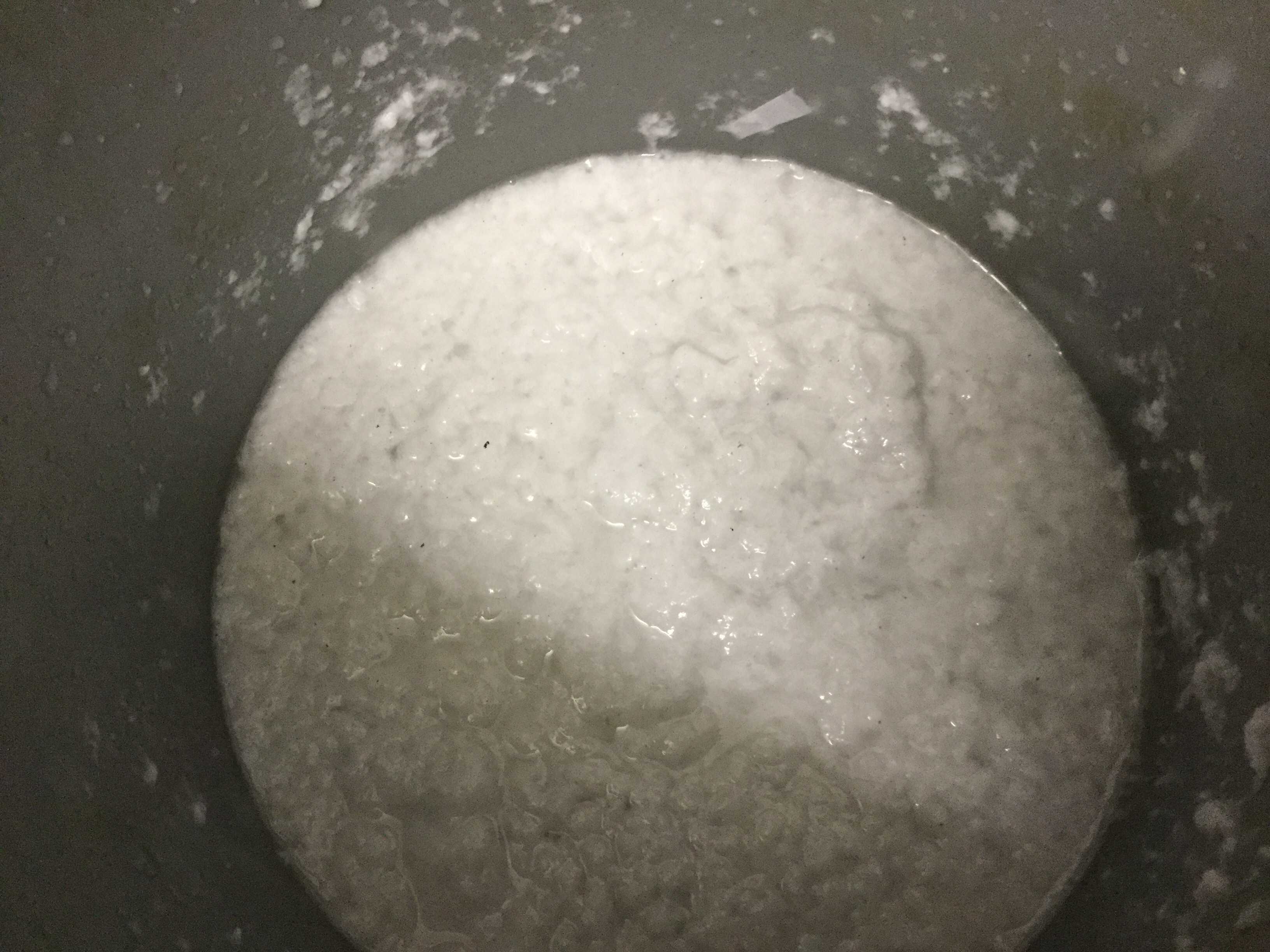
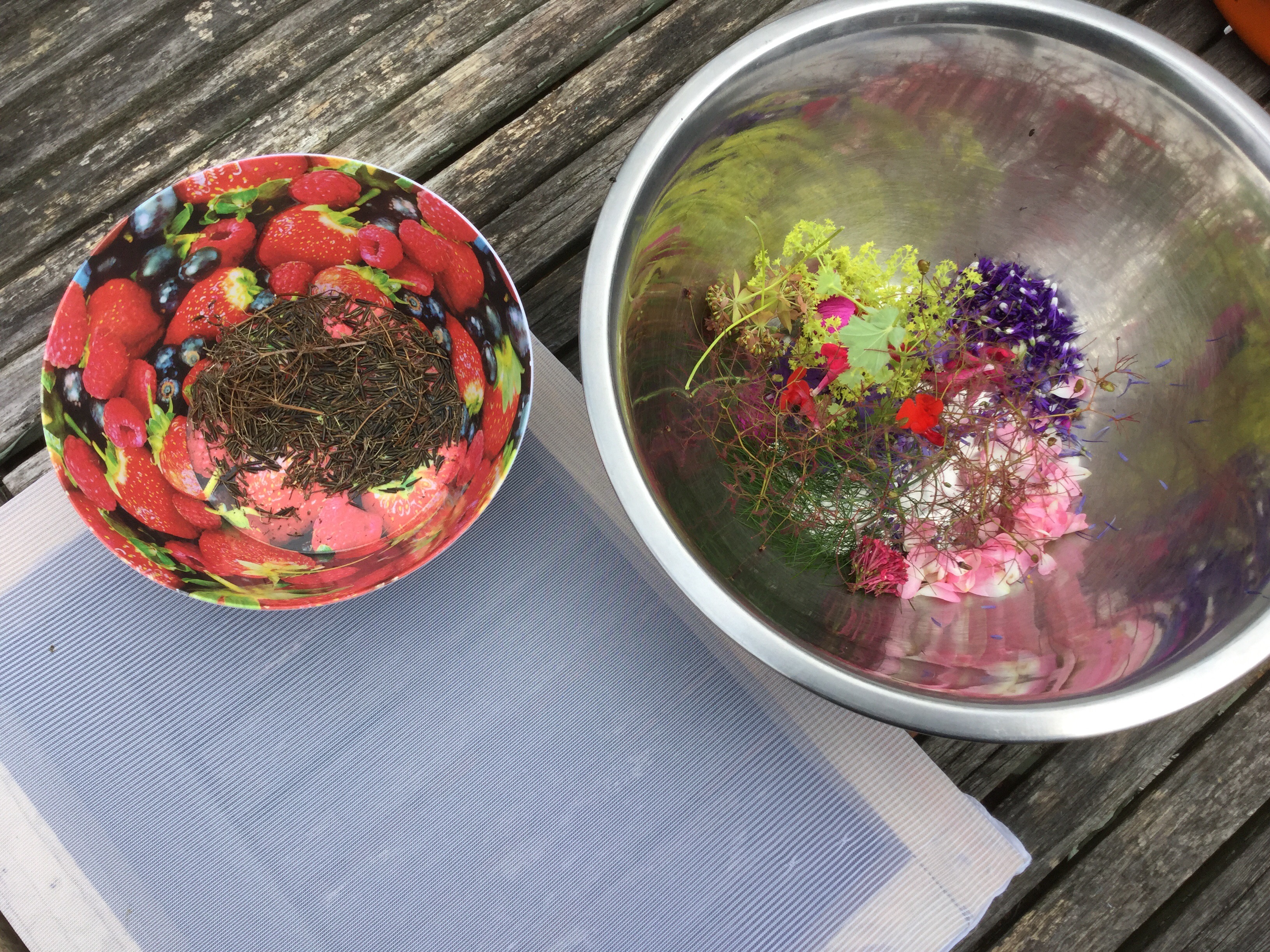
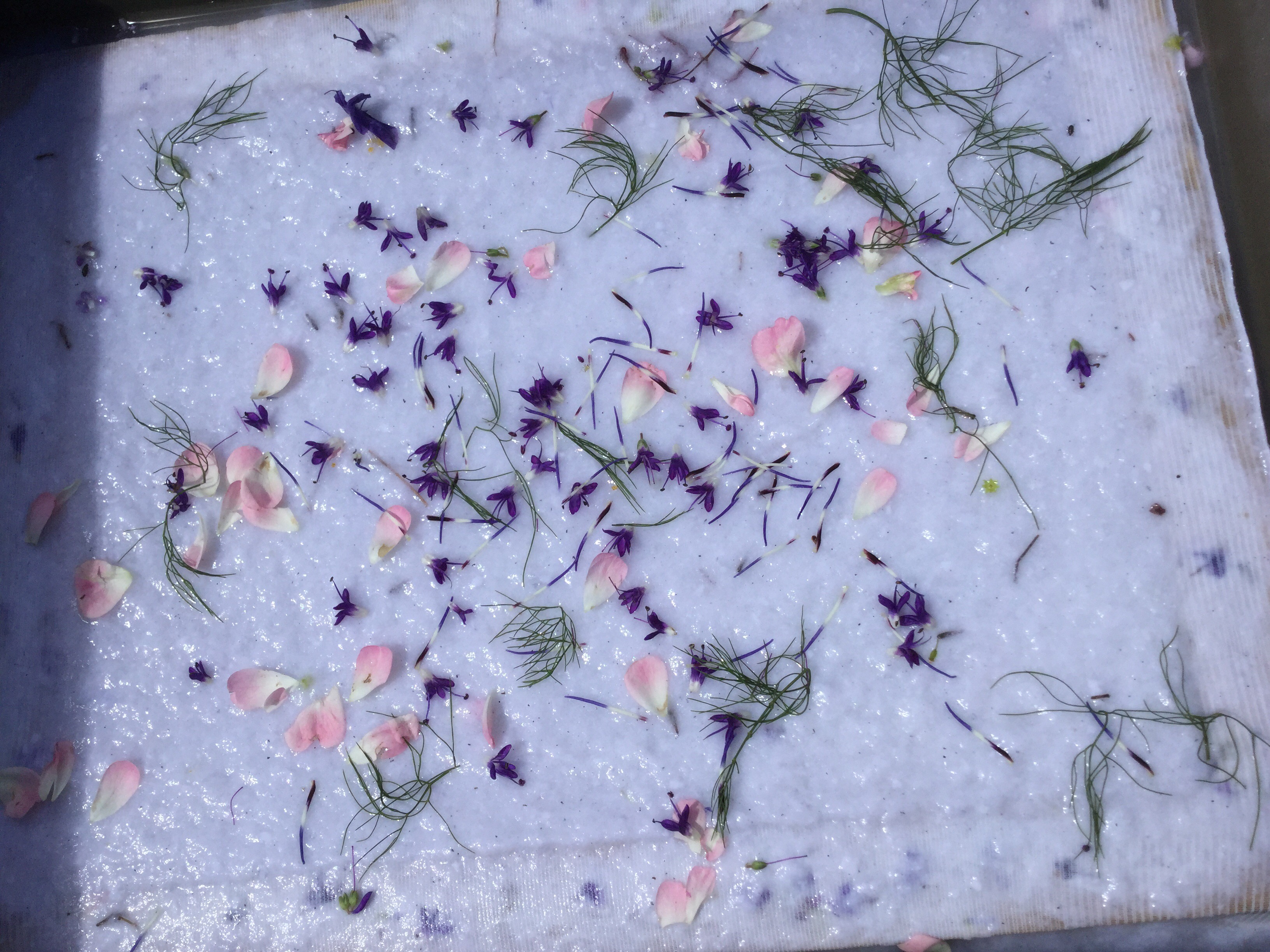
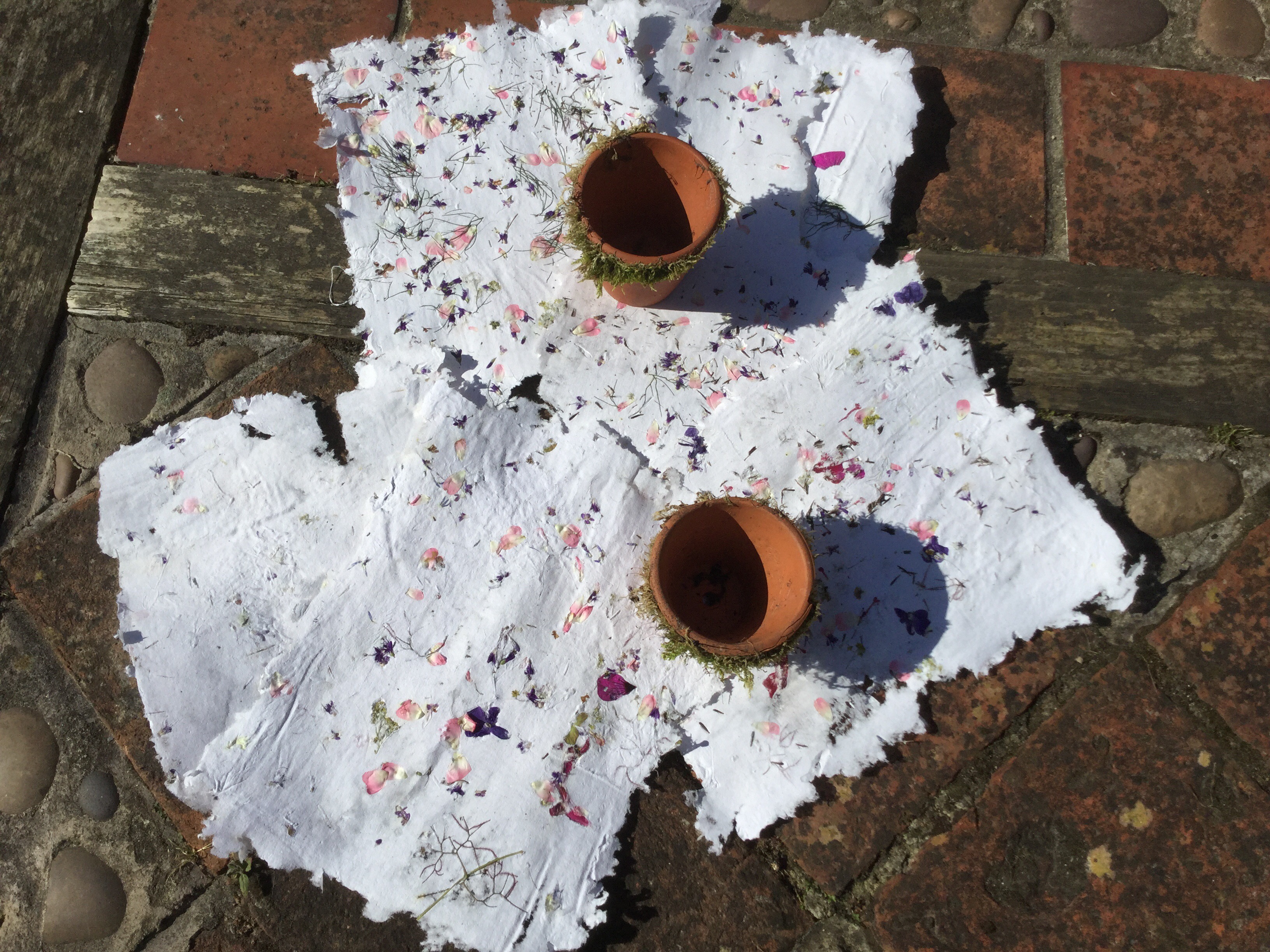
 Making seed and petal paper

