
Grape vines are vigorous and prolific and can quickly get out of hand but training them is straight forward and getting the best out of the fruits is simple but it does take a little maintenance.
All over France you will see neat vineyards and immaculately trained vines, on a large scale this is usually done using specialist machinery but we can adapt the principles to pruning your vines on a domestic scale.

Grown against a wall, the usual method is similar to the ‘Geneva Double curtain’, this system consists of permanent main stems or ‘rods’ trained in the shape of a capital ‘T’. If you are planting a new vine, this is easy to achieve, simply pinching the top out when it reaches the height that you want it and then allowing two stems to grow from this, training them in horizontally as wide as you want them to go. This may take the first growing season to achieve. In the second year you will find that many new stems appear from all along the horizontal top of the ‘T’ (you may also get some up the vertical). Look carefully at these stems around early June and you will be able to see the tiny bunches of flowers which will become the grapes. If you want ‘dessert’ grapes for eating, you want to encourage them to grow as big as possible, so only allow one bunch per stem. Cut off the rest of the stem including any additional bunches of grapes one bud beyond the bunch that you are keeping, this may seem harsh
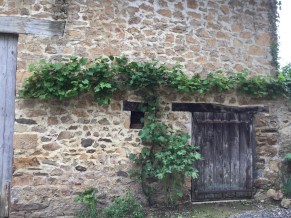
but it will channel all of the energy into one bunch, making them bigger and better quality and they will ripen better with more sunlight getting to them. If you are growing for wine then you can allow two bunches to form on each stem, the grapes will be smaller but with a more intense flavour. (see video below). The ‘Double Guyot’ System is more suitable for vines grown in rows in the field, look out for further information in a future post!
After harvesting in the late summer you can then cut back each stem to one bud, keeping the T shaped main rod in place. You will get regrowth the following year from each of the buds along these main stems. Grapes grow on ‘new wood’ i.e. the newly developing stems each year so you can keep them neatly trained in and if you need to renovate them you can cut them hard back and still get grapes in the current year. Major pruning should be done between harvesting and Christmas time because the vines will bleed heavily once the sap starts to rise in late winter.



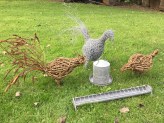 If you enjoy this beginners course we will be offering intermediate courses later this spring to make chicken, cockerel or duck sculptures for the garden.
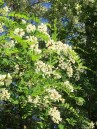 All around us at the moment is the sweet aroma of the Robinia pseudoacacia (false acacia) flowers. Last summer our French neighbour recommended that we try making beignets – fritters – with them. Having tried elderflower fritters we were keen to have a go.
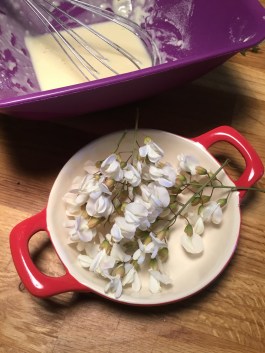 ain flour, beaten egg and a drop of sparkling white wine as there happened to be a bottle open! (You could use beer or sparkling water) you then dip the flowers into the batter by holding onto the main stem, let some of the excess drain off and then fry until golden in hot oil, this only takes a couple of minutes.
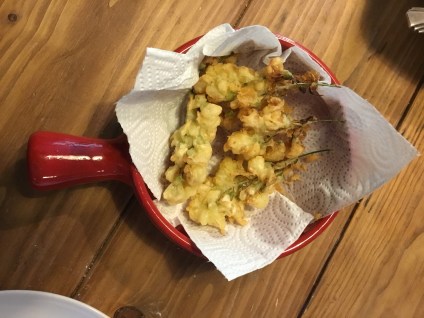 We served this as a savoury dish with tapas, they go nicely with a yogurt and tahini dip or a smokey chilli salsa but you can also drizzle with honey and eat as a desert with crème fresh. Yum!
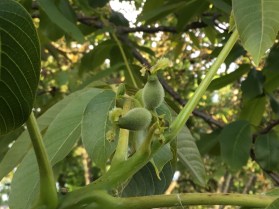 when there is either no wind or too much wind or heavy rain, pollination may be poor.
 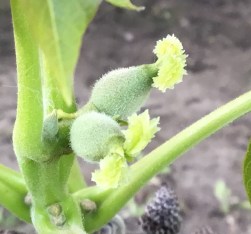 The female ‘flowers’ are not particularly decorative. Because they do not need to attract insects there are no petals, colour or scent, instead they are purely functional consisting of the plump ovary (that will develop into the nut) ad two large and feathery stigma that are sticky and have evolved to capture as much pollen as possible.


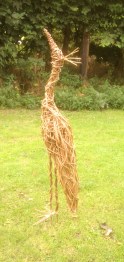 You will learn the basics of using
 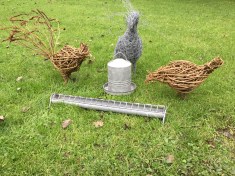 willow as a media for sculpture, create a ‘life-size’ Heron or chicken to take home with you as a quirky garden decoration.
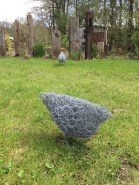 Learn the basics of sculpture using chicken wire to create a lifelike chicken sculpture for your garden. A good basic beginners course which can lead onto building on these skills to create more complex sculptures later in the year.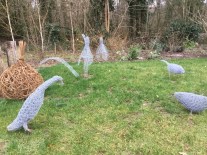
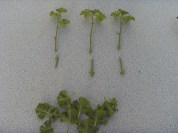 This basic course in plant propagation will look at the basics of propagating from seed and from softwood cuttings. You will learn a little botany that will help you to be more successful in rooting cuttings and understanding the different types of seeds.
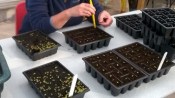 This half day introductory course is running on Thursday 28th June from 1.00-4.00pm and cots 20€ per person.
 Le Jardin Creatif