 Onions are well worth growing and pretty easy as they do not suffer from many pests and diseases. However, they are prone to bolting in dry weather which can be a problem in a typical summer in France.
It is a good idea to buy onion ‘sets’ rather than growing them from seed; sets are immature onions, part grown and then dried and stored in a dormant state. They have usually been given ‘hot water treatment’ which can help to kill off any diseases and prevent bolting. (bolting is the term used to describe early production of the flower which will make the bulb unsuitable for storing and reduce the yield considerably). Sets not only give you a head start and therefore a longer growing season but are easier and more reliable than growing from seed.
This very cold wet start to the year means that for most of us the soil is still far too wet and cold for sowing or planting but you can get your onion sets off to a good start by planting them into trays of modular cells or seed trays. This will endure that a good root system has developed before you plant them out into the soil and that the sets are viable. It can also help to prevent birds or rodents from disturbing the newly planted sets, without roots they are easy for them to steal!
They don’t need any warmth or protection – a cold frame, unheated greenhouse or polytunnel or just a sheltered spot in the garden. After about 3 weeks the shoots will be about 5-10cm long and ready for planting out in rows at about 15cm apart. You can start garlic and shallots off in the same way.
Before planting make sure that you have added plenty of well rotted organic matter to the soil to retail water and therefore helping to give the onions an even supply over the summer. If necessary you can irrigate using a seep hose laid alongside the row, keeping the soil moisture topped up by watering in the evenings when necessary. This will deliver water directly to the soil. Onions need a regular water supply to swell to full size and can split and rot if a period of drought is followed by heavy rain or watering so managing the irrigation is important.
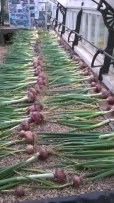
Onions are ready to harvest when the tops have dried out and tumbled over, lift the onions on a dry day and allow to dry out on well aired racks in the sunshine for several days before storing. Onions should be stored in a light, airy and frost free place – keeping them in the dark will induce growth. You can plait them into strings or hang them in onion sacks.




 Learn the basics of organic gardening starting with the key principles of building soil fertility using natural methods and organic pest and disease control, basic practical techniques and tips on how to be successful and how to avoid key problems.
 answers to your questions and see an organic system in practice as well as learning the basic theory. Plus you will have a choice of free heritage and heirloom bean seeds to take away and grow.
 Greenwood crafts: Use a traditional pole lathe to turn a dibber or a string line. 10.00-4.00 either Thursday 8th March or Saturday 10th March. 35 Euros per person including materials and light lunch:
 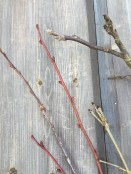 Introduction to Tree identification Learn the basics of plant identification and get to know some common trees in winter to enhance your enjoyment of your garden and the surrounding countryside. 17th March 20 €:
 April 10.00-4.00 55€ inc materials and light lunch: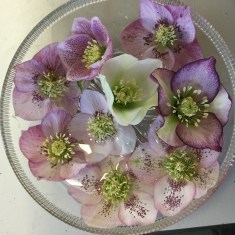
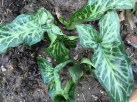 italicum ‘Marmoratum’ and thrive in humus rich, neutral to alkaline soils in shade or semi shade. They do best in a moisture retentive soil but can cope with dryer soils as long as they are not in full sun.
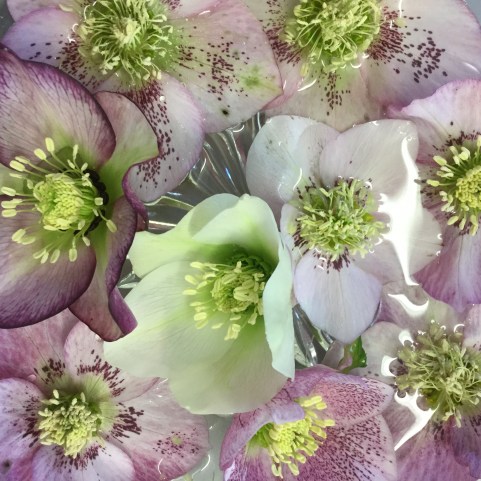 Hellebores do not make great cut flowers because the stems soon flop and the real beauty of the flowers is mainly hidden on the inside but you can snip off just the flowers and create a stunning floating display as a table centre piece which lasts longer than the cut stems.
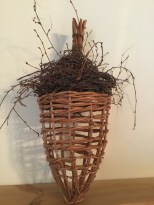 You will create your own lantern to take home with you (all materials for the willow lantern are included in the cost) Add your own battery powered or solar lights to create a unique and subtle outdoor light.


