
Along with the snowdrops there are many trees that wake up early and give us a display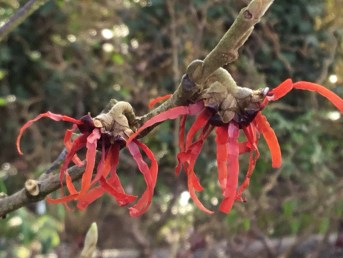 of flowers that promise the start of spring. Some of them like the beautiful witch hazel Hamamelis ‘Diane’ are highly scented and fill he air with spicy perfumes to attract any pollinating insects that might also have woken from hibernation early to make the most of a little winter sunshine. These winter flowering plants provide vital pollen and nectar for the overwintering insects that will be getting low on energy by now.
 Another shrub with a powerful fragrance is the winter honeysuckle Lonicera x fragrantissima one of the shrubby honeysuckles that bears pairs of fragrant flowers all along its arching stems from January through till April will be covered in bees on a sunny winters day. Spot the pollen sacks on the bee in the photograph taken 24/01/18
Not all trees and shrubs are insect pollinated. Some are wind pollinated and produce 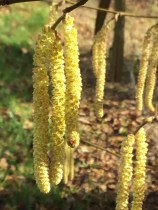 separate male and female floral structures. The male flowers are usually catkins, releasing pollen when they mature. At the moment the hazel trees are in full flower, their make catkins having elongated over the last week or so waving away in the hedgerows distributing their pollen in the wind. Harder to spot are the female flowers that look like miniature sea anemones emerging from small plump buds along the stems. Hazel trees need a period of mildly windy weather without too much rain for the pollen to spread effectively and be caught up on the sticky
 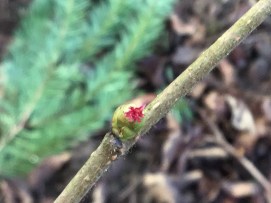 female floral parts. Unfortunately high winds and heavy rain at this time of the year can lead to a bad crop of nuts.
With the weather picking up this weekend in the Limousin why not take the opportunity to go outside and see what nature you can spot in your garden and hedgerows.
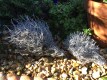
 Graft your own fruit tree: learn the skill of grafting and have a go at grafting your own apple tree to take home with you. Half day course either Thursday 1st February or Saturday 3rd February. 35 Euros per person (includes light refreshments and materials) see post:
  ebruary or Saturday 10th February. 25 Euros per person (includes all materials and light refreshments) See post for more details and booking:
  ourse either Thursday 22nd February or Saturday 24th Feb. 35 Euros per person (including light lunch and all materials). See post for more details and booking:
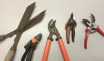
  Fruit tree pruning: learn the skill of pruning your fruit trees for best results, the course will cover the theory and practice of pruning and training young trees as well as renovating and caring for mature trees. Full day course either Thursday 1st March or Saturday 3rd March. 35 Euros per person including light lunch. See post for more details and booking: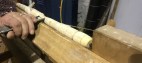
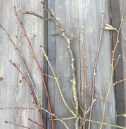 Winter tree identification: learn the basics of plant identification with an emphasis on identifying common trees in winter. Half day course on 17th March 20 euros per person. See post for more details and booking: See Post:
 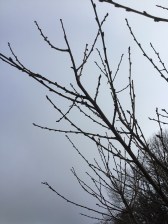 identification of common trees. On this course you will cover some basic botany and discover the secrets to identifying plants and deciduous trees during the winter when they have no leaves present. You will be able to put these skills into practice in your own garden and while out enjoying the countryside enabling you to engage with the natural flora of the region.


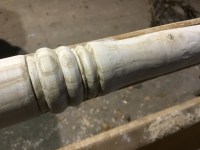 Have a go at woodturning using traditional tools for greenwood crafting. You will create a ‘blank’ from a log section and turn it down into a garden dibber or sting line.
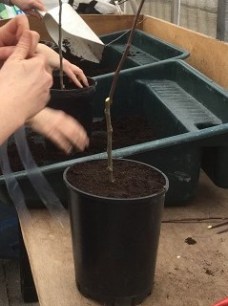 grafting your own fruit tree. We will provide you with a dwarfing rootstock and an apple variety to graft but if you have your own tree that you would like to propagate then please bring some along, use the contact form below to contact us to find out how to harvest grafting material from your tree.
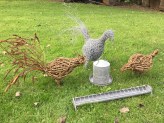 If you enjoy this beginners course we will be offering intermediate courses later this spring to make chicken, cockerel or duck sculptures for the garden.
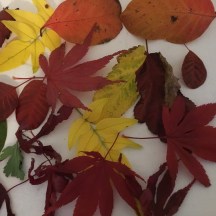 Have you ever wondered why the leaves on deciduous trees change colour in the autumn?
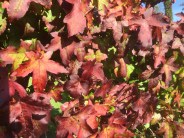 Chlorophyll reacts to certain wavelengths of light but these are limited, to make the most of the light spectrum plants also use other pigments similar to carotene that can react with a wider range of the spectrum. These colours are hidden by the intensity of the green chlorophyll in plants with green leaves. However, once the days start to shorten and the temperatures drop this triggers a process called abscission, in simple terms ‘leaf fall’. Plants need to be thrifty though, the main elements that make up chlorophyll are iron and magnesium but these can be in short supply within the soil when the trees come into leaf in the spring so the trees carefully extract these elements, drawing them back into the tree to store away ready for the first flush of growth in the spring. This is when the other pigments are revealed giving us the fantastic display of autumn colours.
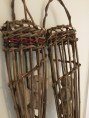
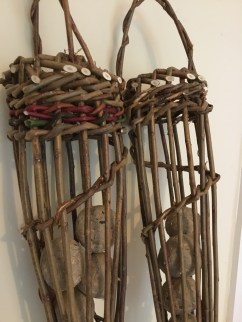 This half day course will teach you some basic weaving techniques through the creation of a hanging fatball bird feeder. These make great gifts and are an attractive garden feature.
