


Come along and make trio of cute little chicken wire Robins to use in Christmas decorations and as lasting garden ornaments.
You will make three robins (just a little larger than life size) and a ‘twiggy’ perch.
Chicken wire is easy to manipulate using pliers but you do need a little strength to work with it over several hours. We will assist anyone who requires help to finish off their project.


We are offering this course on three dates for individual bookings; Wednesday 21st November, Tuesday 27th November and Monday 3rd December 1-4pm. Cost 35€ including materials and refreshments.
You can book online by using the ‘buy now’ buttons below which use a secure PayPal payment system, however you do not need a PayPal accout to use it, the system will also take card payments. If you prefer to pay by cheque, please use the contact form below to equire about availability and request a booking form.
If you want to make a group booking we have some other dates available, please get in touch with us using the contact form or by emailing us on lejardincreatif87@gmail.com
Booking for Wednesday 21st November:

Bookinf for Tuesday 27th November:
Booking for Monday 3rd December:
Or contact us:


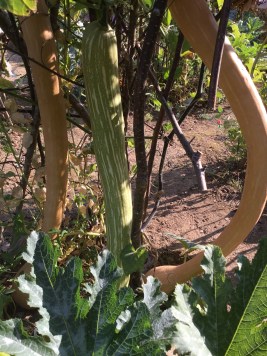
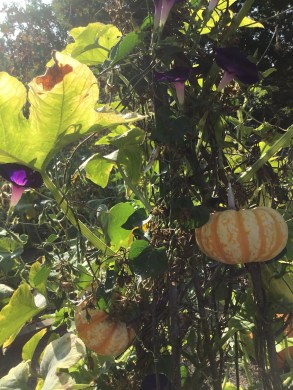
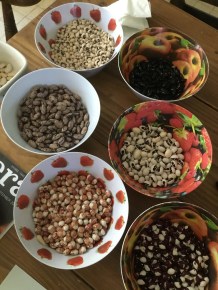 Read more about this in our article in the October edition of ‘etcetera’. Come along on Saturdays when our nursery is open and see our collection of heritage beans and find out more about the different uses – we have over 40 varieties – we are giving away free packets of heirloom bean seeds to customers to grow next year!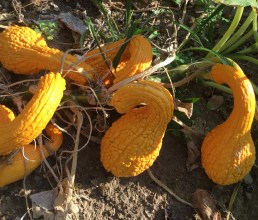


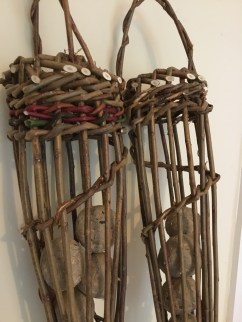 This half day course will teach you some basic weaving techniques through the creation of a hanging fatball bird feeder. These make great gifts and are an attractive garden feature.


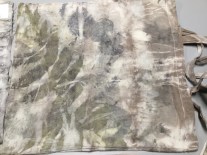 Come along and have a go at eco-printing techniques. You will experiment with leaves, flowers and rust combined with plant based dyes on cotton and paper samplers. You can bring your own T shirt or household lined to work on too. You will go home with some unique prints and an understanding of the materials and processes involved so that you can go away and experiment at home.
 To book a place on this course use the ‘Buy Now’ button below. This is a secure PayPal transaction but you do not need a PayPal account to use it. We will send you confirmation and further details when we receive your booking.
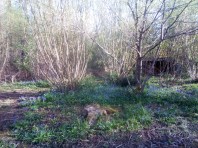 You will then look at short rotation coppice as a management principle and explore techniques for sensitive woodland management to improve the health of your trees, diversity of species within the woodland and for harvesting timbers for different applications. The afternoon session will include practical skills for coppicing hazel woodland.
 The course is also a good basis for future courses covering coppice crafts, hurdle making and cleft fencing.
 Le Jardin Creatif