
Have you ever wanted to try the skill of grafting? This specialist propagation technique takes a little patience and practice but can be mastered by beginners with a little guidance. We are offering this half day course on either Thursday 1st February or Saturday 3rd February 2018 1.00pm-4.00pm. 35 Euros per person including all materials and light refreshments.
You will learn a little about the science behind the technique and then have a go at 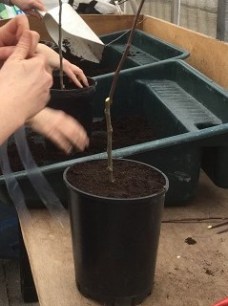 grafting your own fruit tree. We will provide you with a dwarfing rootstock and an apple variety to graft but if you have your own tree that you would like to propagate then please bring some along, use the contact form below to contact us to find out how to harvest grafting material from your tree.
All tools and materials will be provided. Please wear warm work clothing. This technique does need some manual dexterity and patience! You will take home your grafted maiden tree with full instructions on how to care for it in the first year to maximise success.
(Typical success rates for grafted trees is around 75% but if your graft doesn’t work first time you can use the rootstock again to have another go).
We will send you confirmation and further information once we have received your payment.
To book a place on Thursday 1st February use the buy now button below:

To book a place on Saturday 3rd February use the buy now button below:
Please use the contact form below if you have any questions:


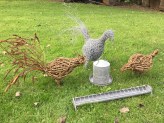 If you enjoy this beginners course we will be offering intermediate courses later this spring to make chicken, cockerel or duck sculptures for the garden.
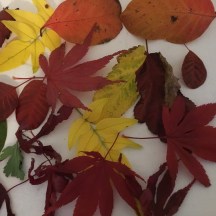 Have you ever wondered why the leaves on deciduous trees change colour in the autumn?
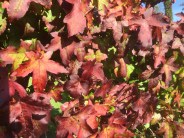 Chlorophyll reacts to certain wavelengths of light but these are limited, to make the most of the light spectrum plants also use other pigments similar to carotene that can react with a wider range of the spectrum. These colours are hidden by the intensity of the green chlorophyll in plants with green leaves. However, once the days start to shorten and the temperatures drop this triggers a process called abscission, in simple terms ‘leaf fall’. Plants need to be thrifty though, the main elements that make up chlorophyll are iron and magnesium but these can be in short supply within the soil when the trees come into leaf in the spring so the trees carefully extract these elements, drawing them back into the tree to store away ready for the first flush of growth in the spring. This is when the other pigments are revealed giving us the fantastic display of autumn colours.
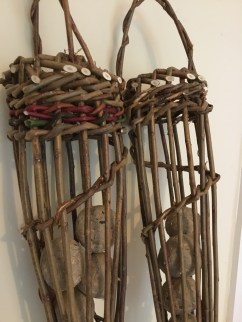 This half day course will teach you some basic weaving techniques through the creation of a hanging fatball bird feeder. These make great gifts and are an attractive garden feature.

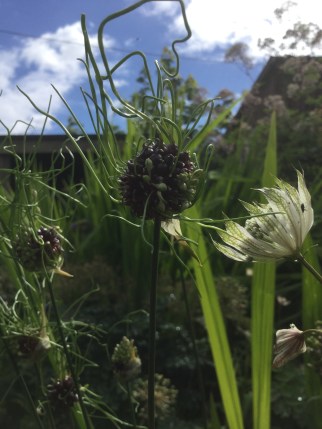 These alliums make superb contemporary cut flowers because they last well with no petals to fade, they are also excellent when planted in big groups within planting schemes of ornamental grasses, herbaceous perennials and other bulbs. They are a particularly good contrast with the lovely soft feathery grass Stipa tenuissima ‘Pony Tails’


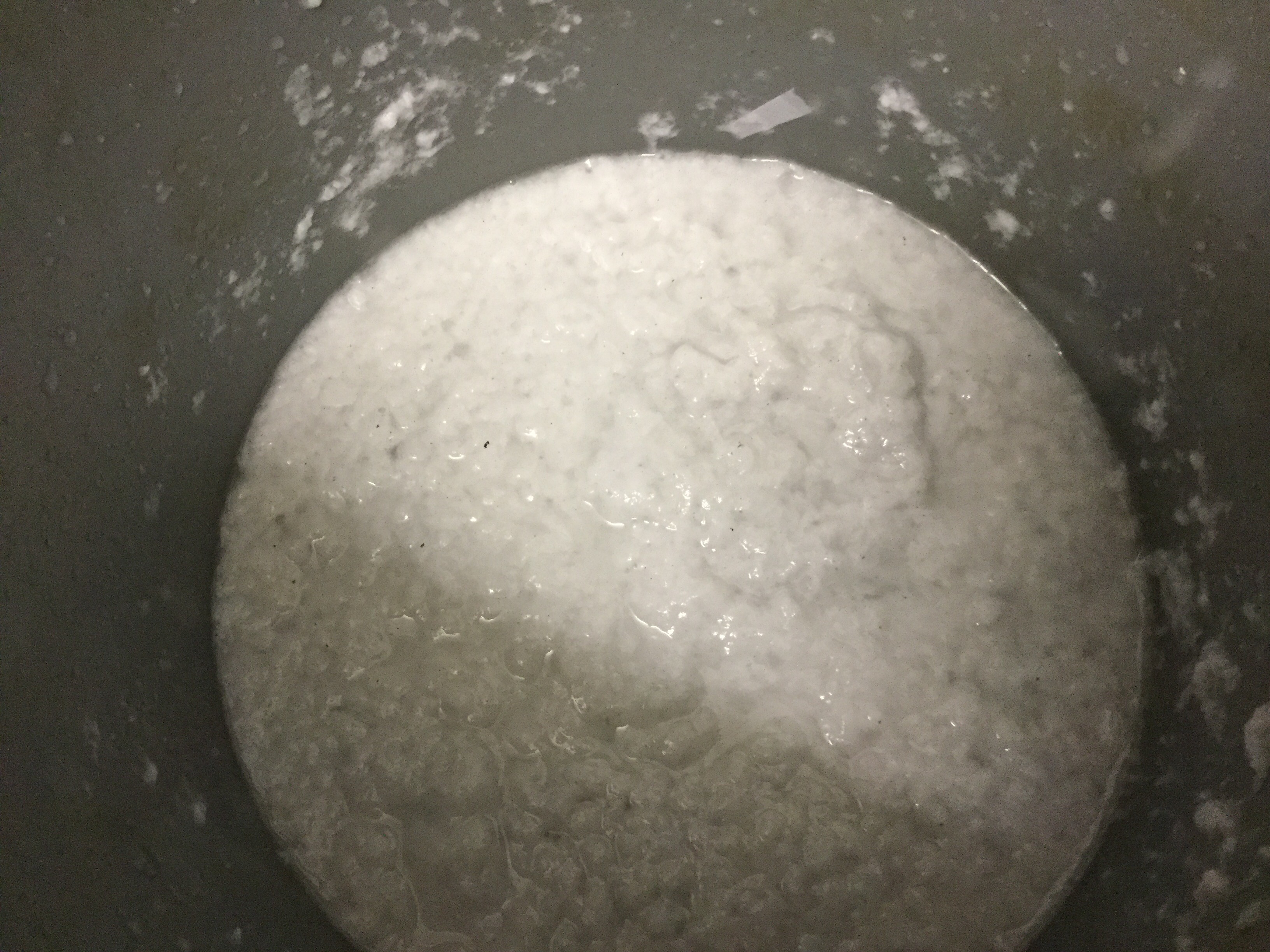
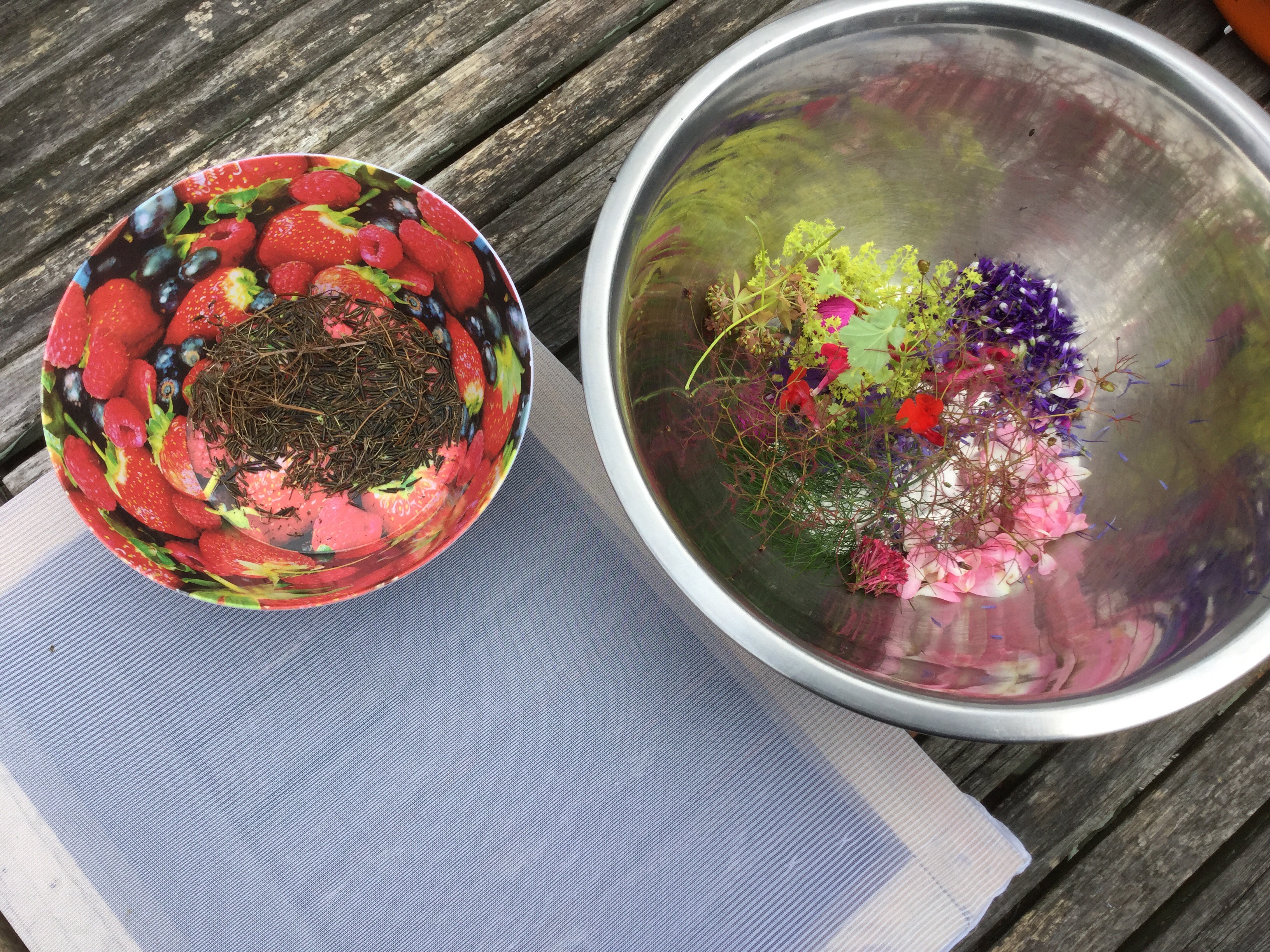
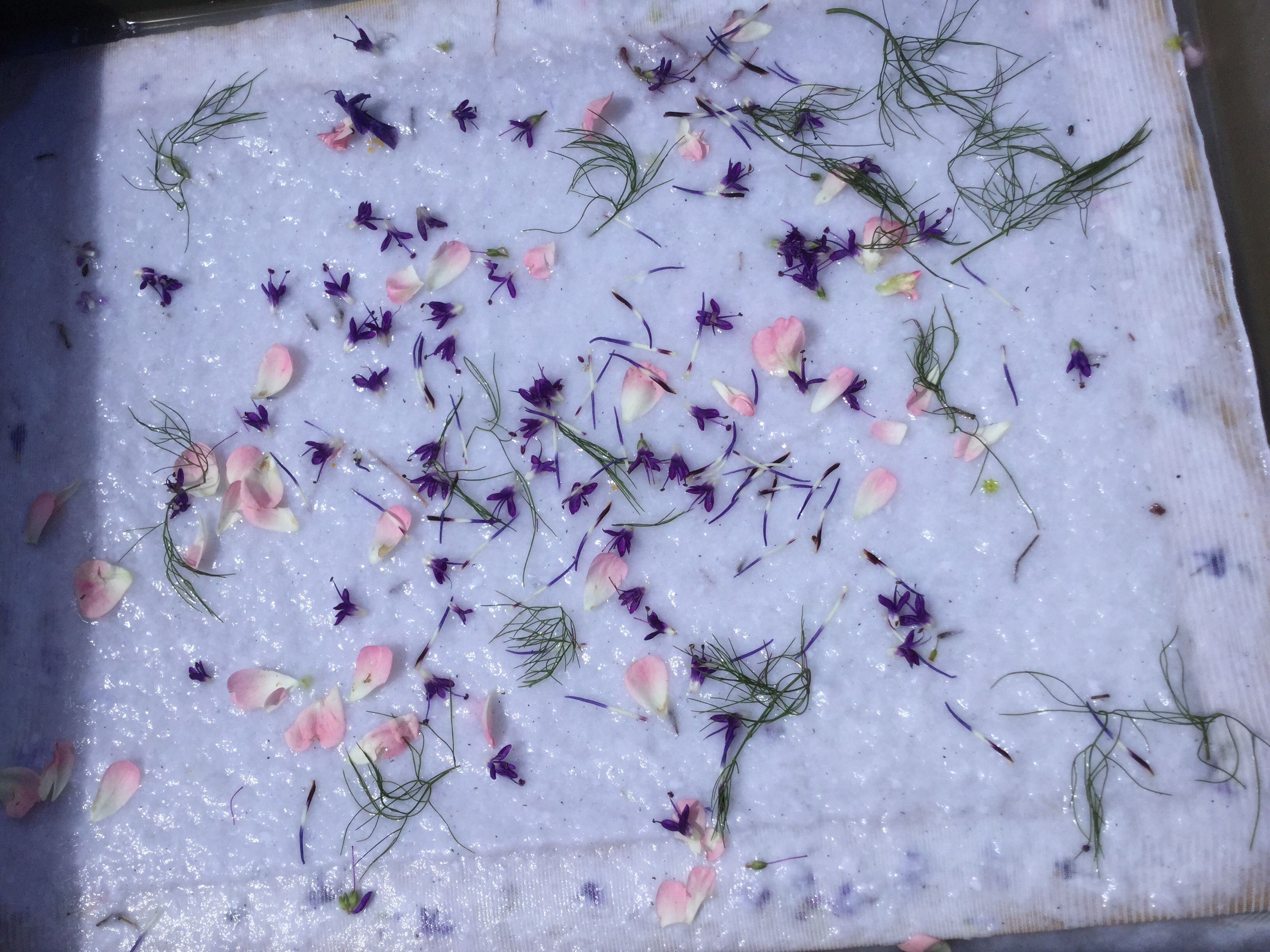
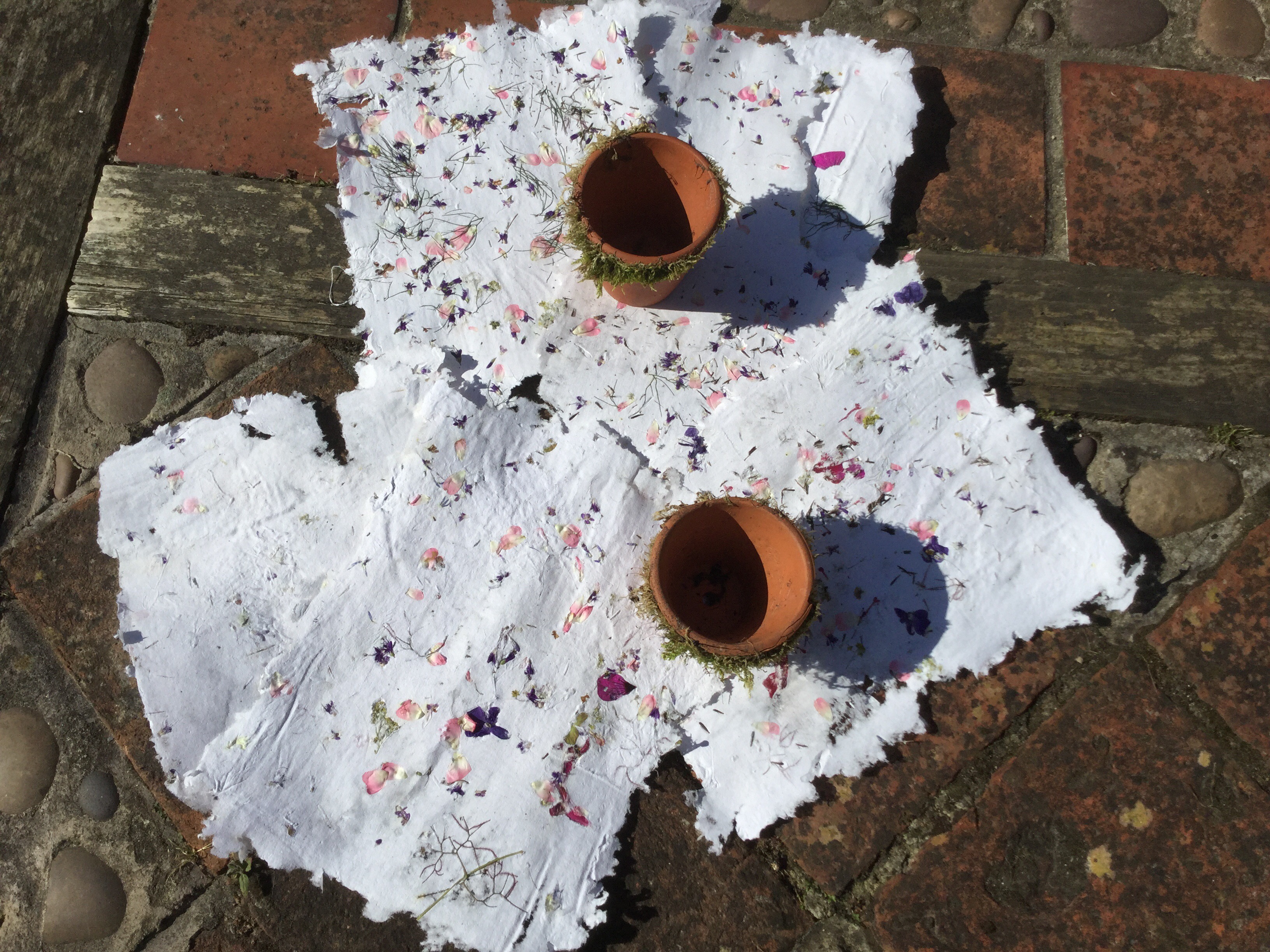
 Making seed and petal paper
 Le Jardin Creatif