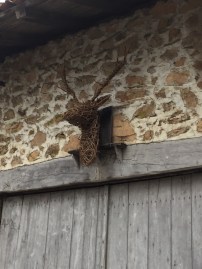
Come along and make a dragonfly or a bee out of woven willow to mount onto a wall or stake in your garden.

This course is suitable for beginners and a good starting point for anyone wanting to learn how to make realistic sculptures out of freestyle woven willow.

The course runs from 11.00-3.00 on Saturday 28th July and includes a light lunch and all materials needed to make a medium sized dragon fly (approx. 80-100cm) or a bee (approx. 40-60cm)

Price per person is 40€

To book a place on this course you can use the buy now button below. This is a secure Paypall transaction but you do not need a Paypall account to use it. If you prefer to pay by cheque then please use the enquiry form below to check availability and request a booking form. Any questions – use the contact form below.


Buy Now Button

← Back

Thank you for your response. ✨

Warning
Warning
Warning

Warning.

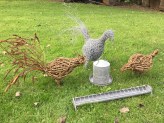
Have a go at chicken wire sculpture and make a cute hedgehog to display in your garden or give to someone as a gift.

This course is aimed at beginners and will teach the basics of sculpturing with chicken wire. The course will run from 11.00-3.00 on Saturday 4th August. 35 Euros per person. A light lunch is included as well as all materials and you will be able to take home your hedgehog.

You will need to wear warm comfortable work clothes and bring some gardening gloves.

IMG_0162If you enjoy this beginners course we will be offering intermediate courses later this spring to make chicken, cockerel or duck sculptures for the garden.
We will send you confirmation and further information once we have received your payment. If you prefer to send us a cheque please use the enquiry form to reserve a place on the course.

THIS COURSE IS NOW FULLY BOOKED – WE HAVE A EXTRA DATE ON 12TH SEPTEMBER: Make a hedgehog out of chicken wire Wednesday 12th September

To book onto Saturday 4th August use the buy now button below:

If you have any questions or comments about the course please use the enquiry form below

Learn the principles of garden design on this two day course.

The course covers a brief history of garden design and how this influences modern design principles. You will explore the principles of good design, colour theory and discuss a variety of different styles.

You will then look at how to survey a garden and create a basic scale drawing of your garden.  You will go on to add design elements to the plan and learn how to create planting plans.

The course covers all that you need to be able to redesign your own garden and create basic designs and planting plans for friends, family and clients.

The course will run over two days giving you time to survey your garden and bring along your sketches to the second day.

Both days will include a light lunch. We will supply materials that you need to create your scale drawing for use on the course and can advise on basic equipment required to set yourself up at home.

10.00- 3.00 on Thursday 19th July and Thursday 26th July: 80€

To book onto the course please use the buy now button below. If you have any questions please use the enquiry form:


Buy Now Button

Any questions please use the contact form below:

← Back

Thank you for your response. ✨

Warning
Warning
Warning

Warning.

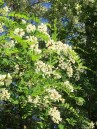
img_0965All around us at the moment is the sweet aroma of the Robinia pseudoacacia (false acacia) flowers. Last summer our French neighbour recommended that we try making beignets – fritters – with them. Having tried elderflower fritters we were keen to have a go.
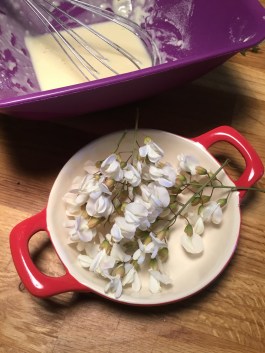
 

I made a simple light batter out of a 50/50 mix of cornflour and plimg_0966ain flour, beaten egg and a drop of sparkling white wine as there happened to be a bottle open! (You could use beer or sparkling water) you then dip the flowers into the batter by holding onto the main stem, let some of the excess drain off and then fry until golden in hot oil, this only takes a couple of minutes.
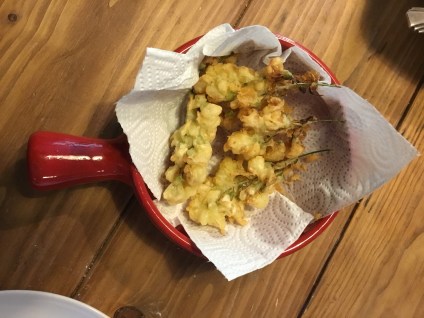
We served this as a savoury dish with tapas, they go nicely with a yogurt and tahini dip or a smokey chilli salsa but you can also drizzle with honey and eat as a desert with crème fresh. Yum!

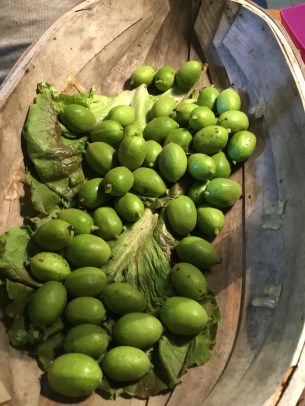
Last year our fruit harvest was devastated by a late frost which damaged all of the delicate young developing fruits on our apples, pears and cherries. There were only a handful of walnuts to be had too but this could be due to high winds and/or heavy rain around the time of pollination.

Walnuts are not pollinated by insects like apples and pears but by the wind, therefore img_0935when there is either no wind or too much wind or heavy rain, pollination may be poor. You have probably noticed the large, fat catkins on your walnut trees that have now fallen to the ground. These are the male flowers and produce the pollen. Have you spotted the female flowers that are now fully open?

Walnuts, like many trees, are what is botanically known as ‘monoecious’ this means that they have separate male and female flowers on the same tree (some plants are dioecious where the male and female flowers are on separate plants giving the individual plants a gender). They also have a clever way of avoiding self pollination which is to produce the male flowers before the female ones (known as Protandry) this is why it is best to have several trees growing in close proximity so that it is more likely that there will be pollen around when the female flowers open.

img_0934.jpgThe female ‘flowers’ are not particularly decorative. Because they do not need to attract insects there are no petals, colour or scent, instead they are purely functional consisting of the plump ovary (that will develop into the nut) ad two large and feathery  stigma that are sticky and have evolved to capture as much pollen as possible.

Other monoecious trees include hazel, birch and poplar. A common dioecious tree is holly and this is why you need at least one male and one female variety growing nearby in order to get berries on the female. Watch out though, the cultivars often have confusing names such as ‘Golden King’ which is actually a female variety.

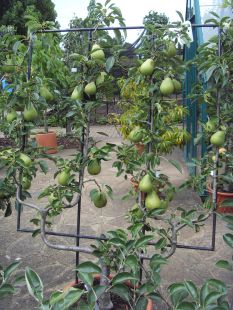
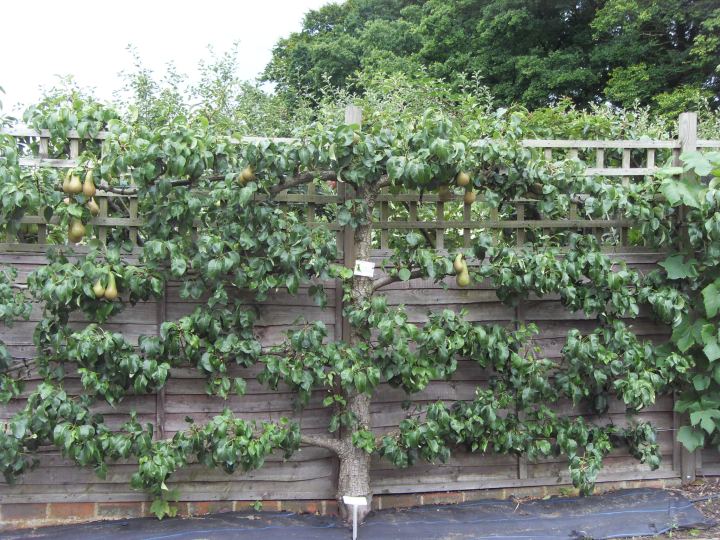
Apples and pears like all fruiting members of the Rosaceae family are hermaphrodite, bearing flowers that possess both male and female organs within  the same structure and are insect pollinated.

Watch out for our basic botany courses coming this autumn to learn more about the fascinating world of plants!


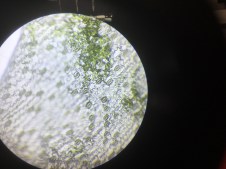
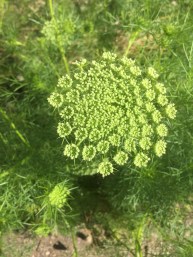
This 3 hour course is suitable for beginners and covers basic plant identification skills with an emphasis on the identification of common ornamental plants using botanical names. On this course you will cover some basic botany that helps with plant identification and an understanding of the system of taxonomy and naming of plants. We can also help you to identify unknown plants in your garden and surroundings.

This taster session is also a good start for coming along to more advanced botany and plant identification sessions during the year. Look out for forthcoming posts with details.

The course will run on Saturday 21st July from 2-5pm and costs 20 Euros per person. The first part will focus on theory of plant identification and look at the plant anatomy that can help us to identify plants. The second part will be practical plant identification covering a range of plants, shrubs and trees.

To book onto this course use the buy now button below. We will send you confirmation and further information once we have received your payment. The payment is via a secure Paypall transaction but you do not need a Paypall account to use it. If you prefer to pay by cheque then please use the enquiries form below to check availability and request a booking form.


Buy Now Button

If you have any questions please use the contact form below:

← Back

Thank you for your response. ✨

Warning
Warning
Warning

Warning.

Make a willow heron or chicken sculpture: This willow sculpture course is aimed at beginners. IMG_2776You will learn the basics of using IMG_0147willow as a media for sculpture, create a ‘life-size’ Heron or chicken to take home with you as a quirky garden decoration.

10.00-4.00 Saturday 07th July 55€ light lunch and all materials included

WE HAVE NOW SOLD OUT OF PLACES ON THIS DATE BUT WE HAVE A FEW PLACES LEFT ON 26TH MAY USE THE LINK TO ACCESS THIS COURSE INFORMATION WILLOW DAY 26TH MAY

IF 26TH MAY IS NOT CONVENIENT FOR YOU THEN PLEASE USE THE CONTACT FORM BELOW TO REQUEST AN EXTRA DATE, WE ARE LOOKING AT 21st July

The payment is made via a secure Paypall transaction but you do not need a Paypall account to use it. If you prefer to pay by cheque then please use the enquiries form below to check availability and reserve a place on the course. If you have any questions please use the enquiry form at the bottom of the page.

7th JULY IS NOW SOLD OUT BUT WE HAVE STILL GOT A FEW PLACES ON THE 26TH MAY


Enquiries:

← Back

Thank you for your response. ✨

Warning
Warning
Warning

Warning.

IMG_0733Learn the basics of sculpture using chicken wire to create a lifelike chicken sculpture for your garden. A good basic beginners course which can lead onto building on these skills to create more complex sculptures later in the year. IMG_0526

This full day course will run on Wednesday 18th July from 10.00-4.00 including a short break for a light lunch and refreshments. Materials and refreshments are all included. 55€ per person.

You will need to wear work clothes and bring a pair of sturdy gloves. Chicken wire is a malleable material and easy to use but will require moderate strength in your hands and fingers.

To book onto the course please use the ‘buy now’ button below. If you have any questions or comments please use the enquiry form below. If you prefer to pay by cheque please use the enquiry form to reserve a place on the course and we will send you a booking form.

Buy Now Button

For enquiries:

← Back

Thank you for your response. ✨

Warning
Warning
Warning

Warning.

SDC15666This basic course in plant propagation will look at the basics of propagating from seed and from softwood cuttings. You will learn a little botany that will help you to be more successful in rooting cuttings and understanding the different types of seeds.

You will have the opportunity to take cuttings from a range of plants to take home.

Later in the year we will offering a second course exploring plant propagation techniques for the autumn and in the winter you can learn the art of grafting.

Pricking outThis half day introductory course is running on Thursday 28th June from 1.00-4.00pm and cots 20€ per person.

To book a place on the course use the button below, this is a secure PayPall transaction but you do not need a PayPall accout to use it. If you prefer to send a cheque please use the enquiry form below to check availability and request a booking form.


Buy Now Button

← Back

Thank you for your response. ✨

Warning
Warning
Warning

Warning.

20180421_153217240_iOSCome along and learn how to create unique and funky prints on fabric using natural mordants, rusty objects and plant based colours.

Print a pashmina or T-Shirt t take home as well as experimenting with different materials and colours.

Thursday 14th June 1-4pm 40€ per person. All materials and refreshments are included. Booking below images

This slideshow requires JavaScript.

Use the button below to book your place on the course (This is a secure PayPall transaction but you done need to have a PayPall account). If you prefer to send a cheque please use the enquiry form below to check that there are places available and request a booking form.


Buy Now Button

← Back

Thank you for your response. ✨

Warning
Warning
Warning

Warning.